Gender Bender Manga Flat Chested Girl Dressed as Boy Funny Shower Scene
Anime in America: The Adverse Affect on Women
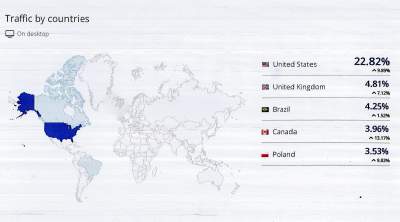
Since the release of Akira in 1988, anime has been steadily gathering a worldwide fanbase. The United States has adopted the Japanese cartoons into its culture with relative ease. Many children are exposed to anime at a young age, and some develop an extreme interest that remains through adulthood. This recent poll taken from MyAnimeList shows that the popularity of anime in America is exponentially higher than any country excluding Japan.
The cultural appeal of anime has a lot to do with having varied subject matter. In Bad Subjects, Issue # 13, Annalee Newitz theorizes "part of what makes anime so appealing to an American audience is the way it so closely resembles American popular media." Anime has multiple subgenres that are similar to Western animated television and movies, but the standards are different than most American cartoons. In the U.S. cartoon movies or series are generally marketed towards children, and they refrain from mature subjects such as violence or sexuality. In Japan, this is not always the case.
Due to its overall rise in popularity, anime is being created for a wider variety of audiences. The industry capitalizes on the success of certain genres and tropes, so they have begun producing them in bulk.
The two main types of anime and manga are 少女 shōjo; which is meant for girls, and 少年shōnen; which is marketed towards boys.
These genres nearly always include tropes, or generalizations. For instance, the main character of a shonen anime is almost always the most powerful. The plot in shojo is usually centered around romantic drama. These tropes are essentially unavoidable, even the more negative ones like the hyper-sexualization of female characters for the purpose of fan service. Kotaku Staff Writer Cecilia D'Anastasio defines fan service as "…the practice of lacing gratuitous sexuality – and especially female sexuality – into an anime is known as "fan service".'
Female Portrayal in Shōjo and Shōnen
Fan service in anime is essentially unavoidable. Panty shots and protruding cleavage are in nearly every episode, putting unrealistically proportioned cartoon women on display.
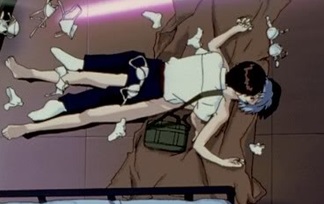
Because of the constant amount of attention that the industry gives to sexualizing women, it has become a trope for anime media. Japanese cartoonists emphasize the 'classical' feminine aspects of their characters' bodies to the point of perversion. Both shonen and shojo anime genres are subject to the influence of this trope.
Although shonen is known for badass action scenes, plot development, and diverse characters; the women in some of these series often serve no purpose other than to look sexy and keep men interested.
In the shonen animes where the women are represented as being more than a sex symbol they are often still drawn with unrealistic proportions. In One Piece, Nami starts out as a kick-ass thief who is only interested in getting paid. She's a woman so she has breasts but they're normal sized and covered with a t-shirt. However, One Piece, in all it's fun-loving glory, is not immune to the effects of the anime industry. The previously innocent Nami has now been sexualized to the extreme. Her breasts have tripled in size and instead of her trademark white striped t-shirt she wears a skimpy bikini top.
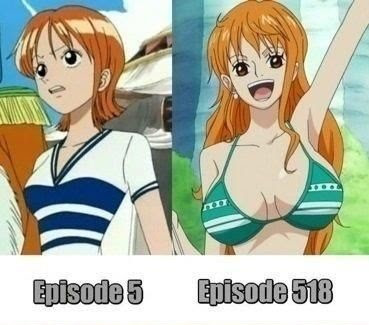
The overall quality of the One Piece anime is suffering, and the only reason Nami has become ridiculously developed is to attract viewers. The industry demands this objectification of women in shonen series because of it's traditionally male audience. Even though women are active members of the shonen fanbase, they are extremely misrepresented.
The worst offenders are shonen series that have weak storylines. High School of the Dead, a show about high schoolers fighting zombies, has appalling treatment of their female characters. The most powerful female character, Saeko, is subjected to three panty shots in one fight scene. Instead of focusing on her incredible swordsmanship the creators demean her to nothing more than a sex object. Another female character, Rei, is armed with a gun, and naturally the main character Takashi is 'forced' to have to fire at the zombies while it's still strapped to her chest. The rest of the scene revolves around the resulting jostling of her boobs every time he pulls the trigger. The action in this particular series is bland so the industry uses fan service in a vain attempt to keep the audience's attention. This problem is constant in shonen series as well as avoidable.
Shojo is no exception. Anime for girls usually revolves around romance. The main female characters are super cute and the boys they crush on are ridiculously hot. You'd think this would be the one subgenre where women are represented in a positive way, but that's not always the case. Chobits is traditionally a shojo manga but the relationship between the main characters Motosuwa and Chi is borderline perverse. Chi is a robot girl that Motosuwa finds on the street. The scene where he tries to activate her seems like it's written for adults, not young girls.
"…right from the outset, it looks like a sexual relationship. Yet the reader or viewer has constant reminders that it only looks like sex. In fact, Motosuwa is just turning on a computer – nothing but a switch between those legs, folks, just a button to turn her on. Yet the scene is deliberately disquieting, dirty and perverse, since it looks like a sexual relationship, and the idea that Motosuwa is activating the female computer, that is, turning it on, serves to reinforce this sense that something sexual is happening."
(Lamarre 51)
Kids read Chobits expecting a simple and sweet storyline and instead get constant sexual innuendos. Chi is also impossibly proportioned and often wears skimpy, practically nonexistent clothing. The girls who read the manga or watch the anime idolize Chi and want to resemble her, but they can't because it's not physically possible.
The Adverse Affect on Women
The explicitly sexual female portrayal in anime does more than attract a male audience. This degradation makes many women too uncomfortable to watch the offending shows, so the anime industry often inadvertently loses the viewers that they're trying desperately to attract. From the exaggerated proportions to the skimpy outfits, women are feeling misrepresented by the anime community.
Female characters in all genres of media often get put into ridiculous clothing in an attempt to make them even more sexually attractive. These outfits are needlessly sexy and rarely relate to the character's personality or power type. Rangiku in Bleach is a member of the Soul Society, in which all the reapers (men and women) wear the same outfit. However her's is completely open in the front exposing most of her abundant cleavage. The outfit style does not affect her soul reaper powers although it may contribute to her personality; she does seem to love rubbing her breasts in men's faces.
At the start of Bleach, none of the female characters were hypersexualized. Orihime was busty but she wasn't bursting out of her clothes. Due to the pressure from the anime industry Tite Kubo has begun creating his characters with more provocative outfits and body types. In the current volumes she is more developed than ever. Orihime went from a semi-realistic curvy girl to an impossibly proportioned still girl.
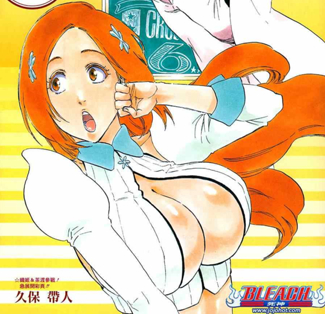
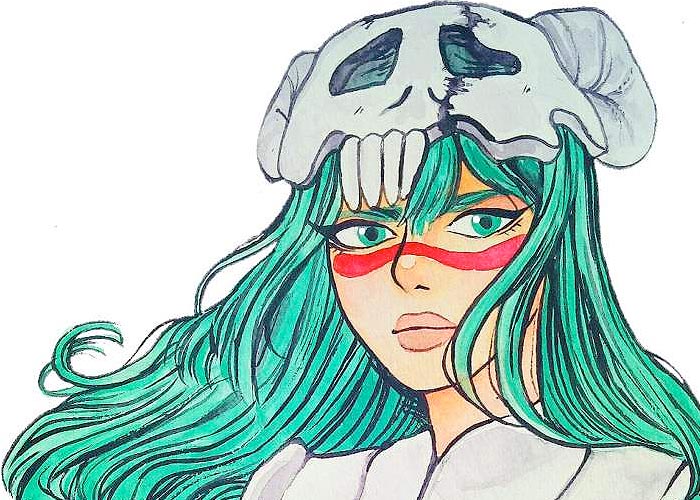
Even some of the new younger female characters in Bleach are sexualized. Nel is introduced as a goofy toddler and later it is 'revealed' she is actually a full grown woman.
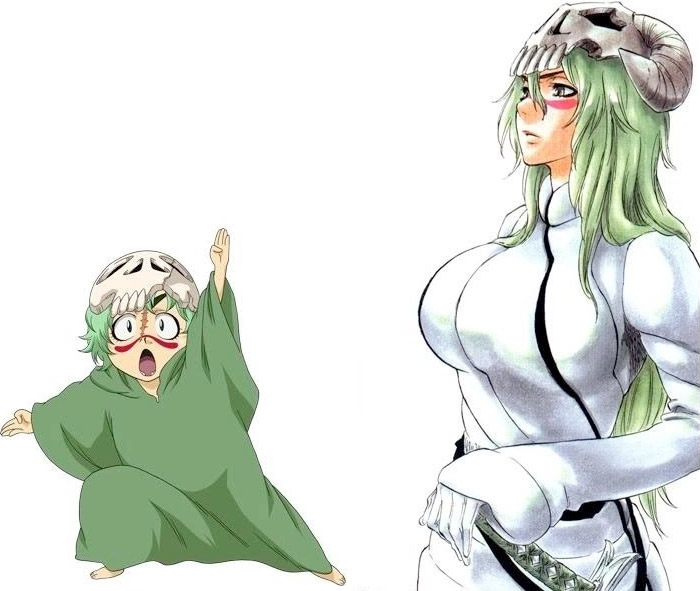
Assumably the anime market has been heavily saturated with male viewers. The producers of new series have been forcefully adding fan service to shows in an effort to appeal to the male viewers and increase revenue. They are more than willing to objectify women for profit. Even though young women all over the world watch anime and are just as interested as the men, they continue to promote unrealistic body types.
In reality it's impossible to be a size 2 and have a double d cup size. Women are needlessly and unrealistically sexualized by the anime industry in order to pander to a male audience, giving real girls a negative and unattainable body image. By constantly producing television shows that portray women in ways that defy physics the anime industry is creating an impossible standard of beauty that no real girl could ever live up to.
The Unnecessity of Sexualization by the Anime Industry
The sexy anime girl trope is completely unnecessary. Fullmetal Alchemist is one of the most popular anime series in the world, and it doesn't rely on jiggling breasts to get an audience. The author, Hiromu Arakawa, wrote one of the most well rounded and entertaining shonen mangas of the past decade. Her female characters are generally attractive, but also realistically proportioned. Anime that has a good plot does not need to rely on tropes or sexual exposition to attract popularity. The hyper-sexualization of women is really a desperate attempt by the anime industry to attract male viewers, while in reality it only distracts from the plot and polarizes women.
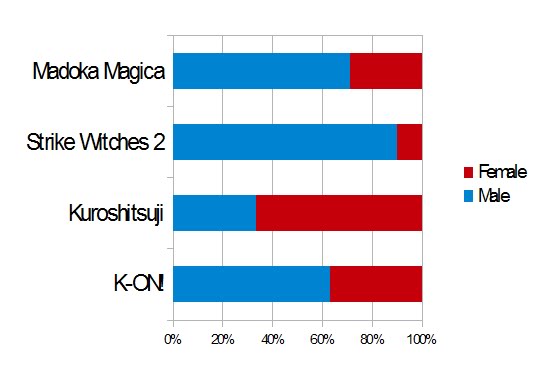
There are significantly more female viewers for animes that have less male directed fan service. Kuroshitsuji, or Black Butler as it's known in the West, has some overt sexual tension between the two main characters but nothing explicit is ever animated. It has the most female viewers out of any of the four animes listed in this graph. Strike Witches 2, the anime with the most male viewers, also sexualizes women the most.
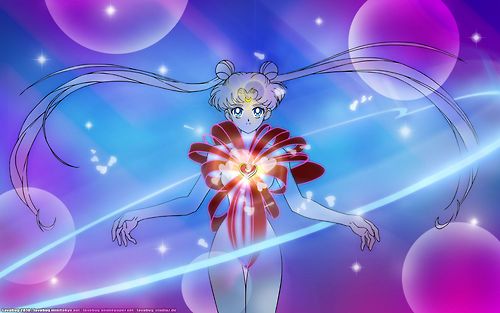
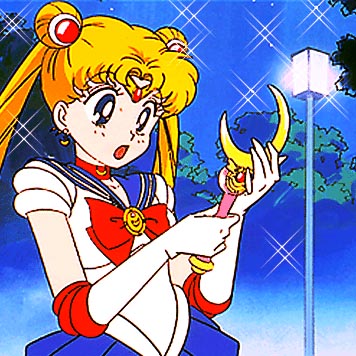
Sailor Moon is one of the most popular animes in the U.S. Although the girls do not look realistic, they aren't treated like sexual objects but instead individuals. Each sailor has their own costume and although they are dressed in short skirts and tight tops their outfits represent their abilities. The sailor girls look more like fashion stars than sex objects. This anime is particularly popular amongst women because they are being justly represented. The fact that the women in Sailor Moon aren't sexualized may be a direct result of having a female mangaka (someone who writes manga.)
Mangakas write their works with hyper-sexualized female characters because of pressure to conform from the industry. The Japanese market has stretched beyond its own country's borders and their media is more popular than ever in America, especially with men. A large factor in this success is that the bouncing breasts and lifted skirts feed into the fantasies of adolescents with their overly sexualized women. Teenage boys may pick up a series because they're entertained with the fan service, not because they want to know what happens in the show. This is a huge problem. Women in these anime often exist to provide non-vital fan service. Even if they play an integral role in the plot, that will not save them from being sexualized. The anime industry is perpetuating the archaic concept that females don't matter unless they're hot. Just like when western shows have their female characters wearing needlessly sexy clothes or they include a scene where the extremely hot woman is in the shower. There are a few exceptions to this rule; Winry Rockbell and OIivier Armstrong in FullMetal Alchemist, but even those badass women are drawn with desirable bodies. Princess Jellyfish is a great example of a positive anime about accepting yourself for who you are, but this show is definitely in the minority.
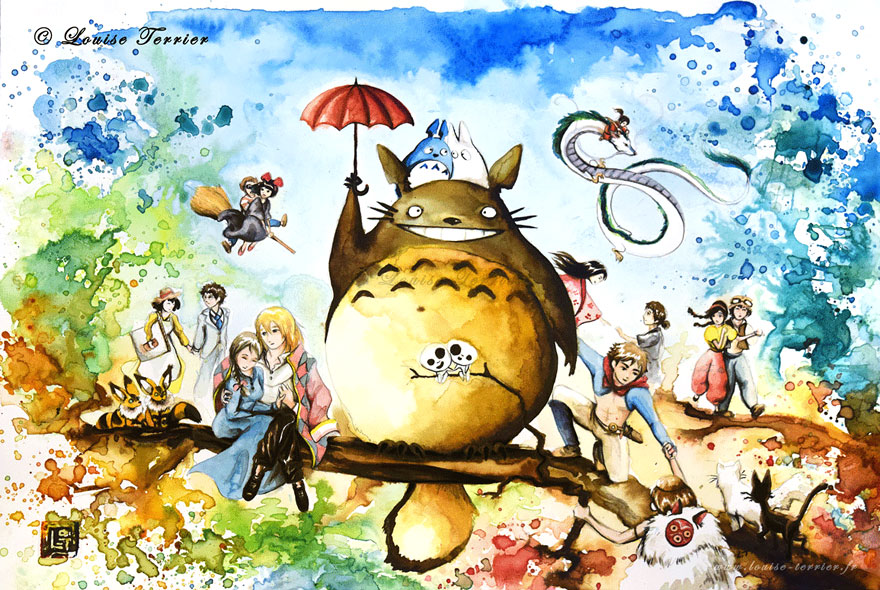
Another example of anime not influenced by industry tropes are the Studio Ghibli films. Produced by one of the most visionary animators of the century, Hayao Miyazaki, these movies have worldwide popularity, stunning plots, and emotional depth without objectifying their female characters in any way. "Many of my movies have strong female leads – brave, self-sufficient girls that don't think twice about fighting for what they believe in with all their heart. They'll need a friend, or a supporter, but never a savior. Any woman is just as capable of being a hero as any man." -Miyazaki
The Perceived Impact Of Anime On School Children writes "…electronic media, particularly television play a significant role in the development and socialization of children." A child who grows up watching anime will believe that the impossible body standards from their favorite shows reflect reality. It may cause some young girls to develop a negative mental image whenever they don't grow up to meet those standards.
The Future of Anime in America
It seems anime's popularity in America is nonlinear. There are spikes in U.S interest, like when Attack on Titan was released, and then people gradually lose interest again.
Most all of the famous female mangakas, although they still follow the traditional anime style guidelines and have hot women, do not focus their female characters around their looks. So the problem extends beyond industry and actually has a lot to do with the way men perceive women. Men almost completely control the industry, in the United States as well, and allow the release of animes that depict perverse women because they want to sell copies to other men.
The industry needs to start including women in their decision making process and they need to realize that there is just as much potential for profit within a female audience. For instance, in North America, half the people that attend anime conventions (giant meetups for anime fans) are actually women.
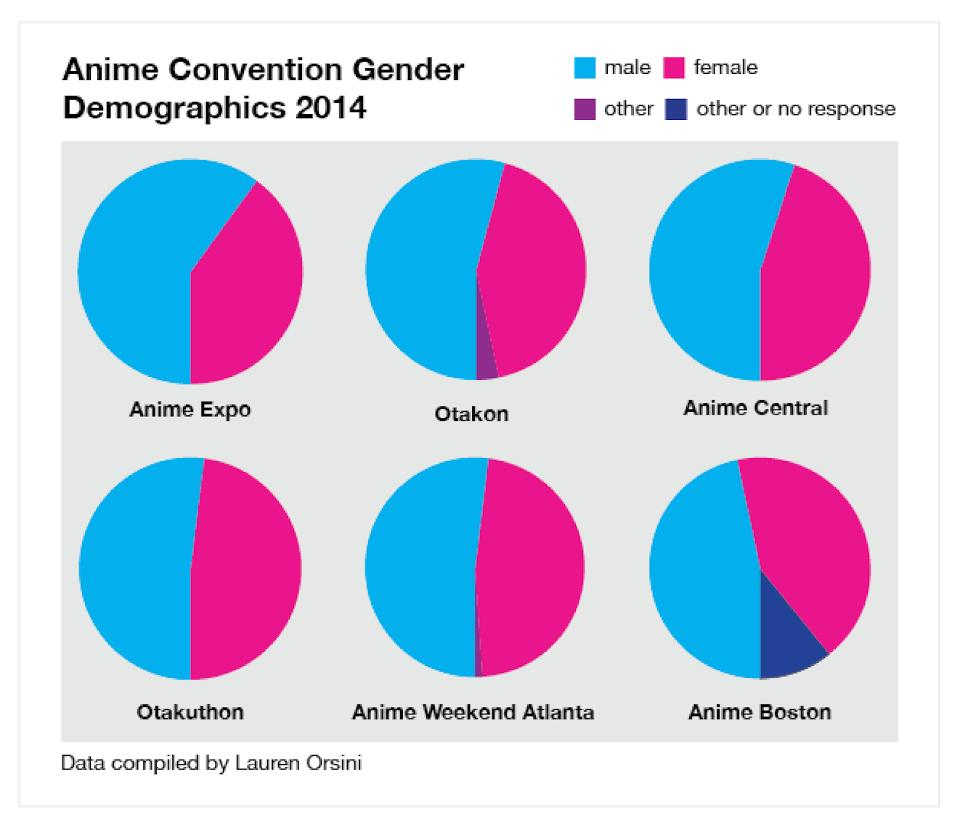
At a quick glance, it's apparent that male and female attendance has reached almost 50-50. Attribute it to the fact that cartoons, comics, and videogames from Japan attract a wide audience. Cartoons can be directed at adults or kids or both, with some shows targeted at women (like Sailor Moon), and others more generally at men." (forbes.com)
Hopefully, in the near future, there will be more people who notice this negative trend and take action against it. It would be unfortunate for young women to grow up hoping to meet these impossible body standards. Instead of having constant fan service the industry should focus on creating well rounded realistic female characters. The relatable characters will attract a wider female audience and ultimately boost revenue. Exemplary animes like Fullmetal Alchemist showcase realistic role models for young girls, and attract attention worldwide. It's time to end the degrading hypersexualization of women in anime.
What do you think? Leave a comment.
Receive our weekly newsletter:
akbarsomakingdon61.blogspot.com
Source: https://the-artifice.com/anime-women/
0 Response to "Gender Bender Manga Flat Chested Girl Dressed as Boy Funny Shower Scene"
Post a Comment